

Citizens, Equality, Rights and Values Programme (CERV)
Project number: 101081483
Project start date: 01.02.2023
Project end date: 31.07.2024
The last report of IPCC highlighted that the climate crisis is here. The EU has created a framework of policies and initiatives to tackle climate crisis: climate emergency affects all of us, but, as the EU Climate Pact states, everyone can contribute to find solutions.
“Don’t call it change” is a project created in the framework of Citizens, Equality, Rights and Values (CERV) programme). It responds to the priority of engaging citizens in the discussion related to climate and green issues. It takes its name from the fact that the climate and life on the planet are constantly changing, but human activities have accelerated this constant modification turning a physiological change into a crisis causing imbalance and discriminations. In the wide topic of climate crisis, the partnership focuses on its intersectional consequences on specific dimensions: human rights, migrations, gender equality and ocean and marine life.
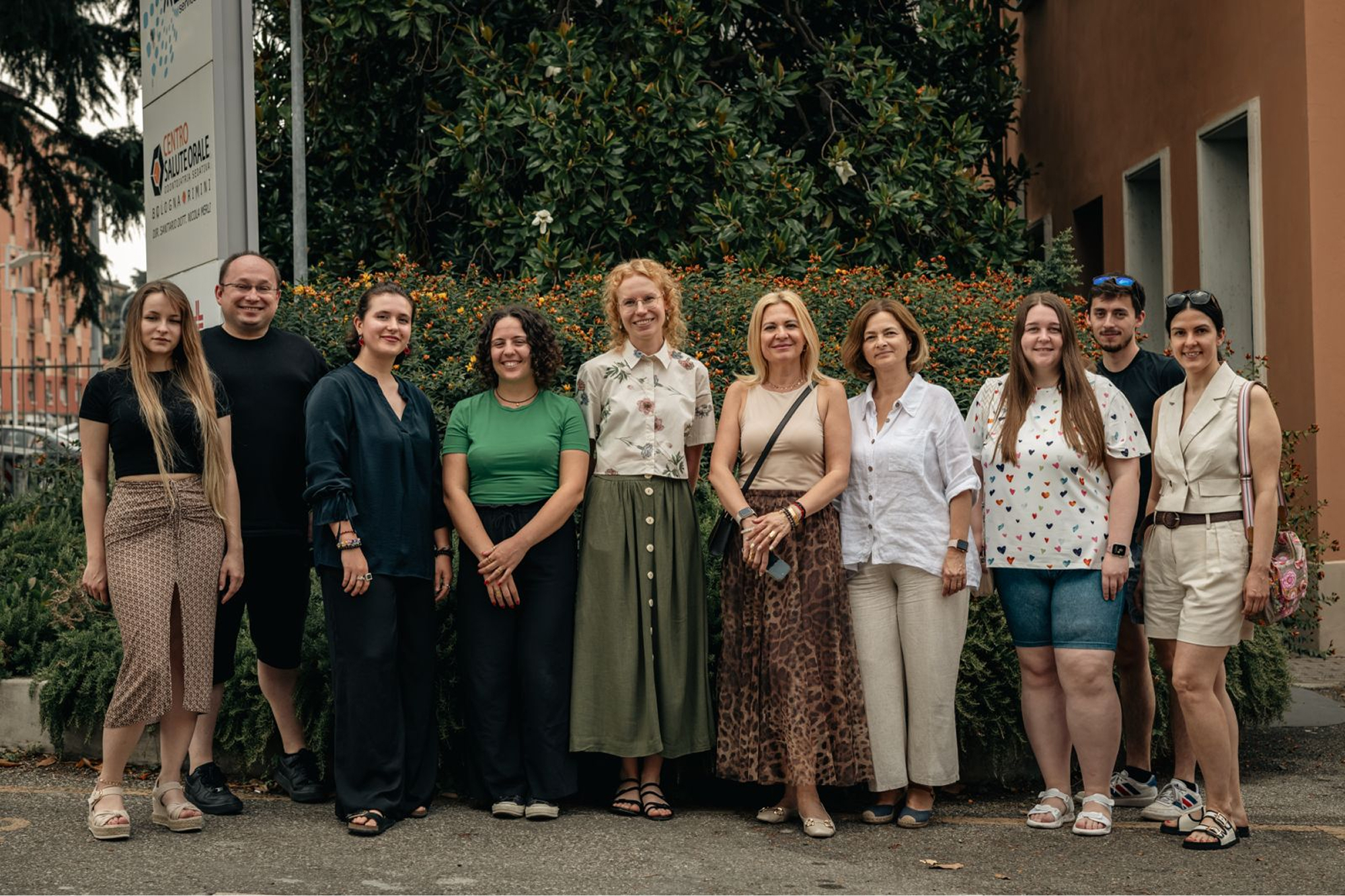
The actions are focused mainly on young people 16-30 years old, allowing them to confront their peers from 5 participating European Countries (IT, PL, RO, LV, GR) during a cycle of local workshops and debates led in each country, with two transnational online workshops.
The project aims therefore at engaging youngsters in the debate about climate emergency through non-formal and participatory methods, promoting exchanging and debate at the EU level on the intersectional consequences of the climate emergency, and at stimulating the adoption of participatory and non-formal methods to discuss and educate on the impact of the climate emergency.
You can check for more details on Facebook
“SURVIVE: Stories of Women and Children’s Resilience in World War II”
Project duration is 24 months starting from 01 Mar 2025. Project number is 101196187
Project coorduinator:
YouNet
from Italy.
Partner organizations: UniTBv (Romania) , World-Our Home (Latvia) , and
Civic Accelerator Spark Foundation (Poland) .

‘SURVIVE: Stories of Women and Children’s Resilience in World War II’ is created to shed light on the often-overlooked stories of women and children during World War II.
“SURVIVE” project seeks to shed light on the often forgotten stories of women
and children during World War II in four partner countries: Italy, Poland,
Romania and Latvia. With a particular focus on civilian life and resilience, the project aims to uncover and share the compelling stories of women and children who survived this turbulent period of war. Their experiences, characterised by courage, strength and perseverance, are an integral part of wartime history that deserves recognition and understanding.
To achieve this goal, the project focuses on adapting non-formal methods and gamification in Remembrance education.
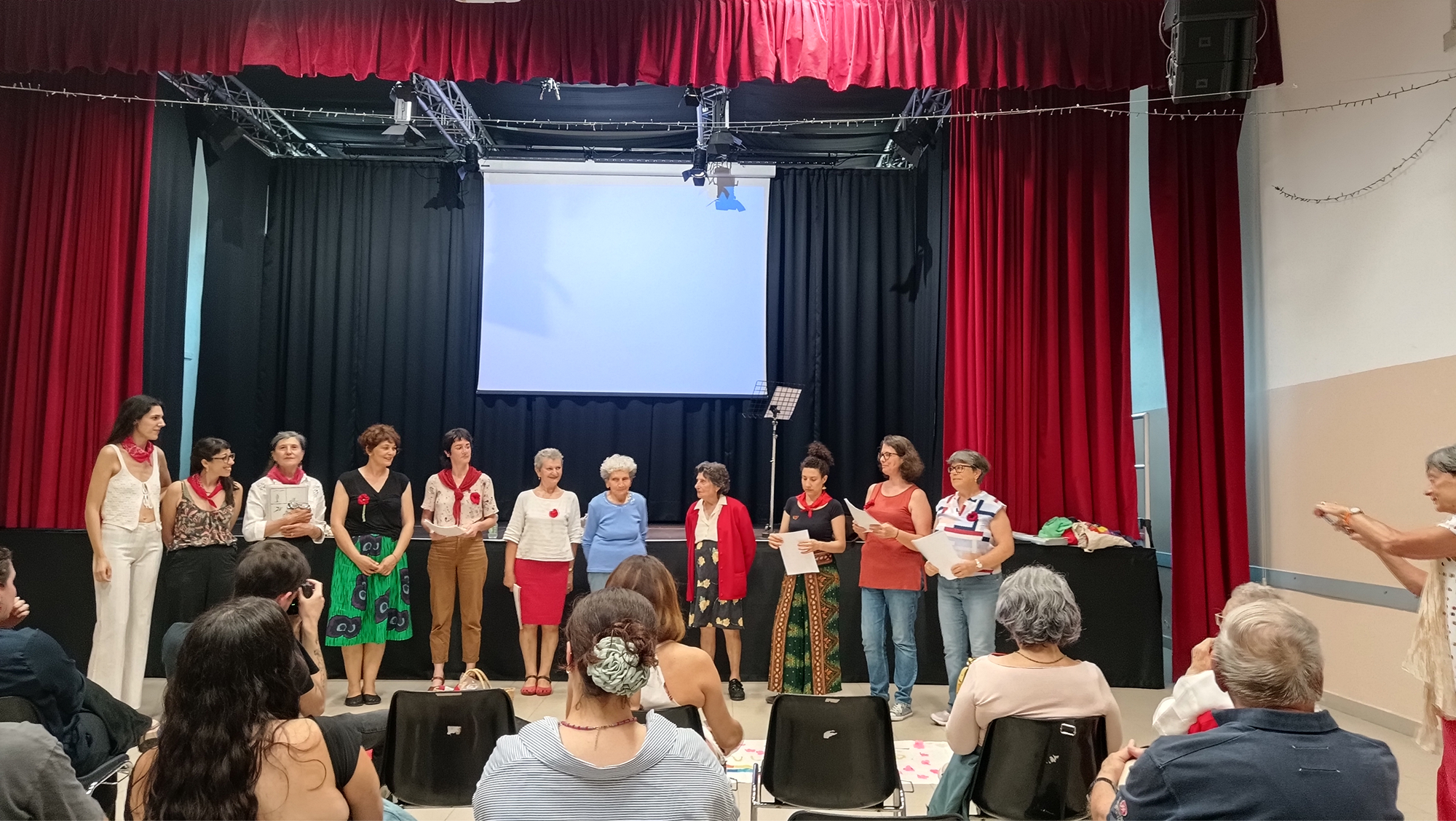
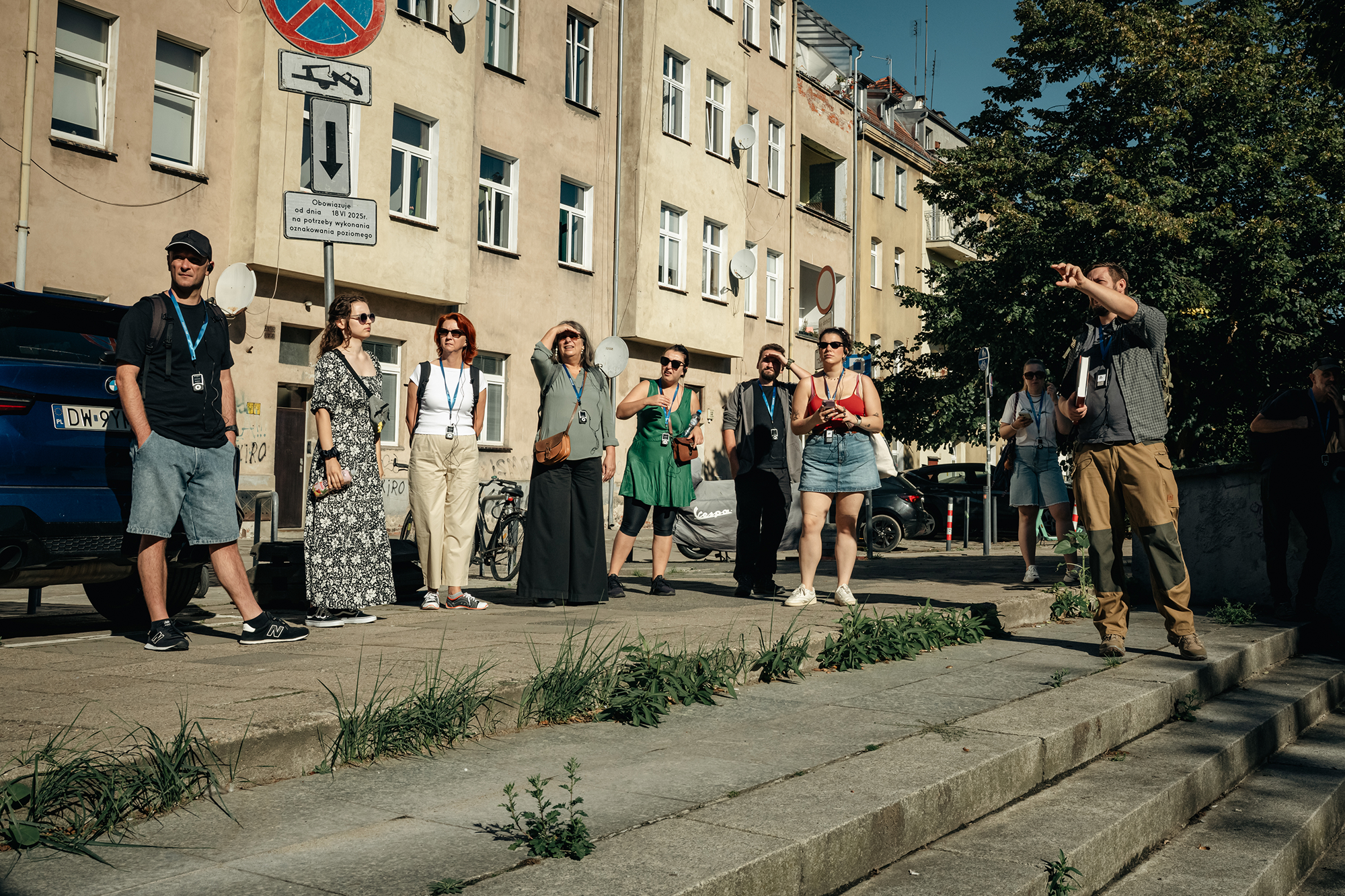
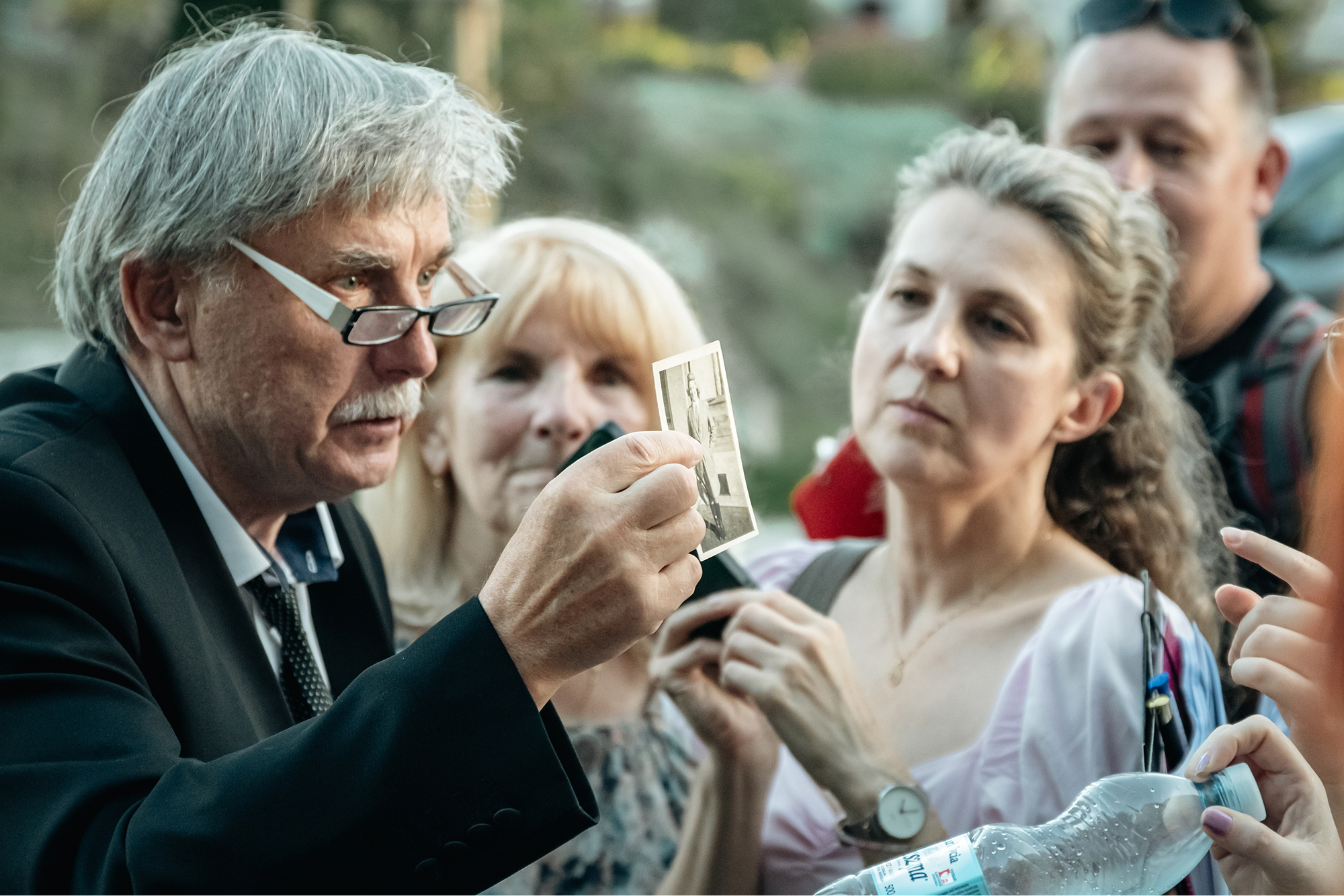
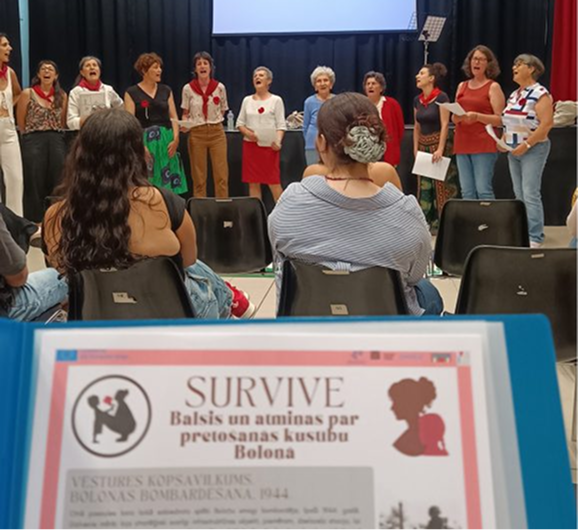
SURVIVE employs innovative and engaging methods, such as Human Library, where participants have the opportunity to “read” living books, which are individuals who share their personal stories. Another method utilized by the project is gamified Urban Trekking. Through this approach, participants
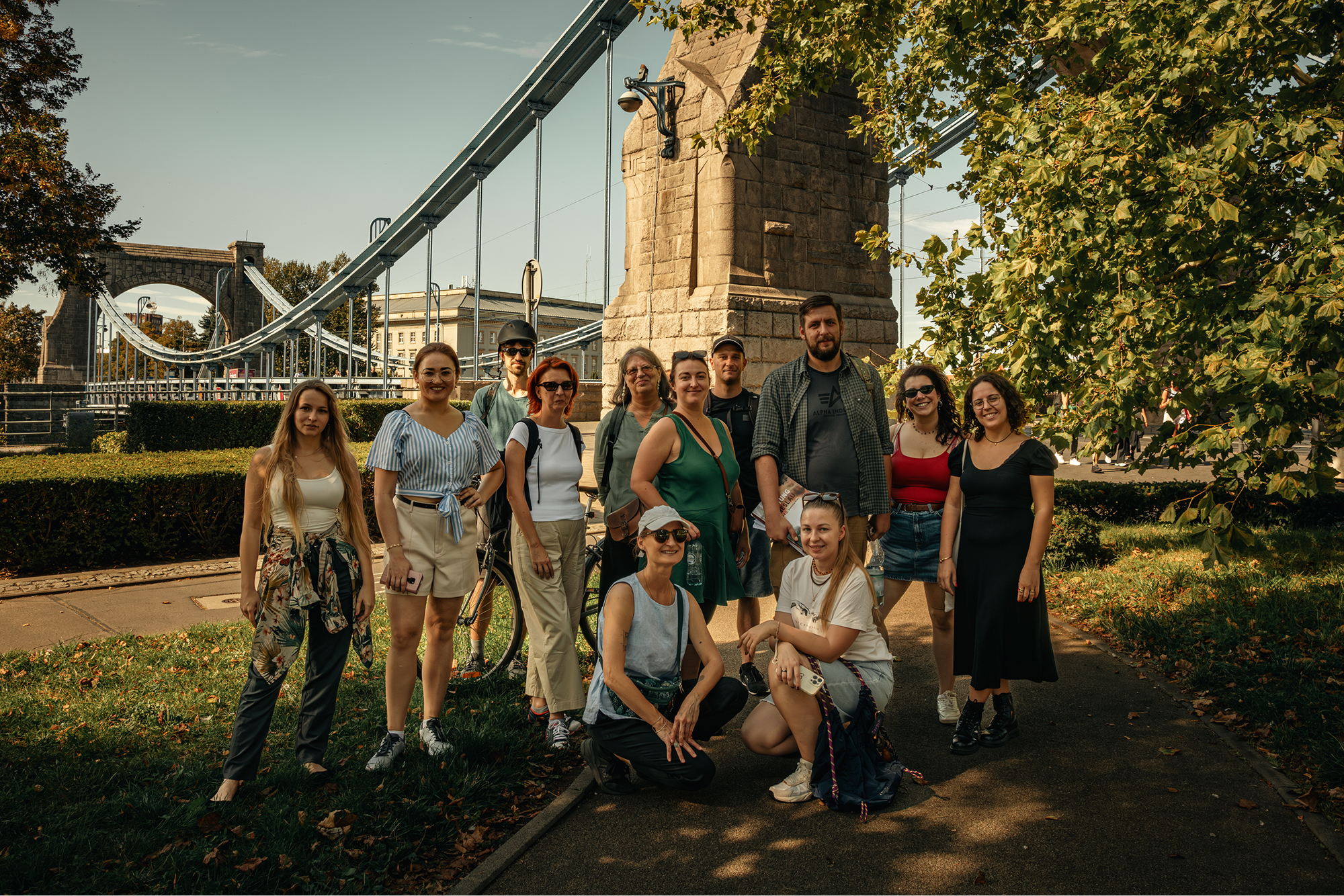
embark on a guided tour through urban areas, exploring historical sites and landmarks related to the experiences of women and children during the war.
To preserve the stories for future generations, the SURVIVE project plans to capture video testimonies of women and children’s resilience in WWII, which
will serve as valuable resources and documentationfor future generations. Furthermore, the project intends to create 3D models of historical artifacts using advanced scanning technology. By digitizing and recreating personal belongings of civilians from the World War II era, the project aims to provide a
tangible connection to the past, enhancing the educational experience for participants.
“Funded by the European Union. Views and opinions expressed are however those of the author(s) only and do not necessarily reflect those of the European Union or the European Education and Culture Executive Agency (EACEA). Neither the European Union nor EACEA can be held responsible for them.”
FACEBOOK: Survive: Stories of Women and Children's Resilience in World War II